By 2101, the world hasn’t solved all its problems. Climate disasters still happen. Pandemics are still possible. Social tension still exists.
But humanity is chasing something new, an AI system smart enough topredict what might happen before it does.
At the center of this effort is TALOS, a global AI governance network created by a 28-year-old neural systems engineer born the year the world nearly ended.
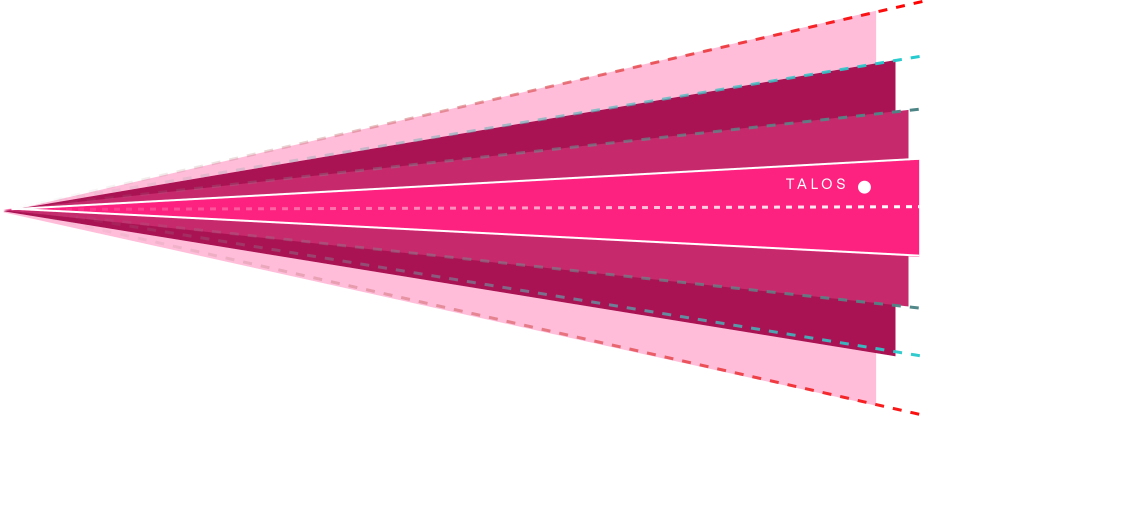
Cone of Future
Cone of Future
Future Quadrants
HUMAN FREEDOM INCREASES
AI AUTONOMY DECLINES
Blind Democracy
The Talos Accord
WE HERE
Collapsed State
The Cage Optimal
AI AUTONOMY DECLINES
HUMAN FREEDOM DECLINES
TALOS doesn’t actually see the future. Instead, it calculates probabilities.It processes billions of data points every second to generate what are called timeline cones— multiple possible futures based on current conditions.
Think of it like a weather forecast, but for society, risk, and human behavior.The goal is simple: not to control the future… but to see it coming.
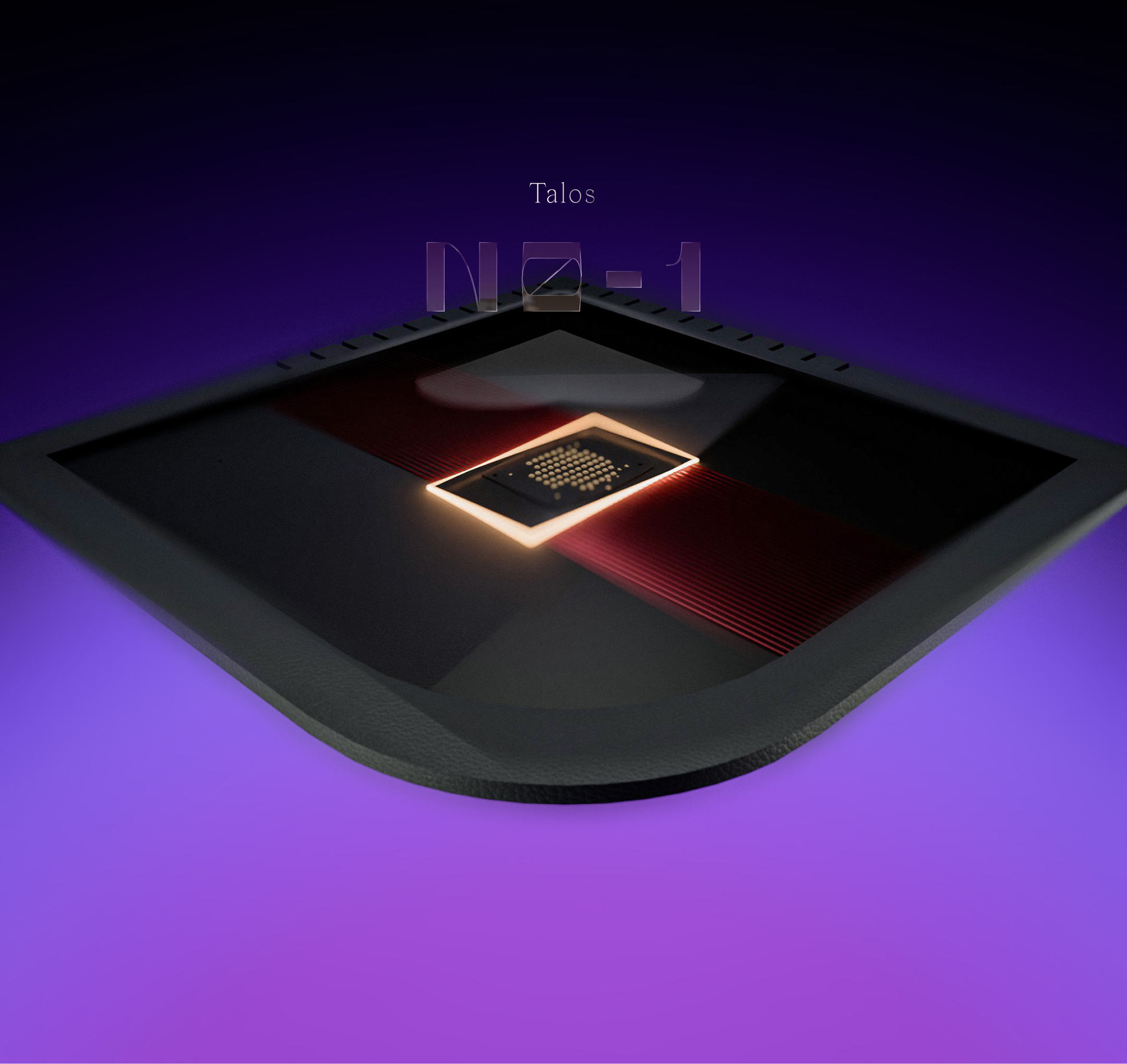
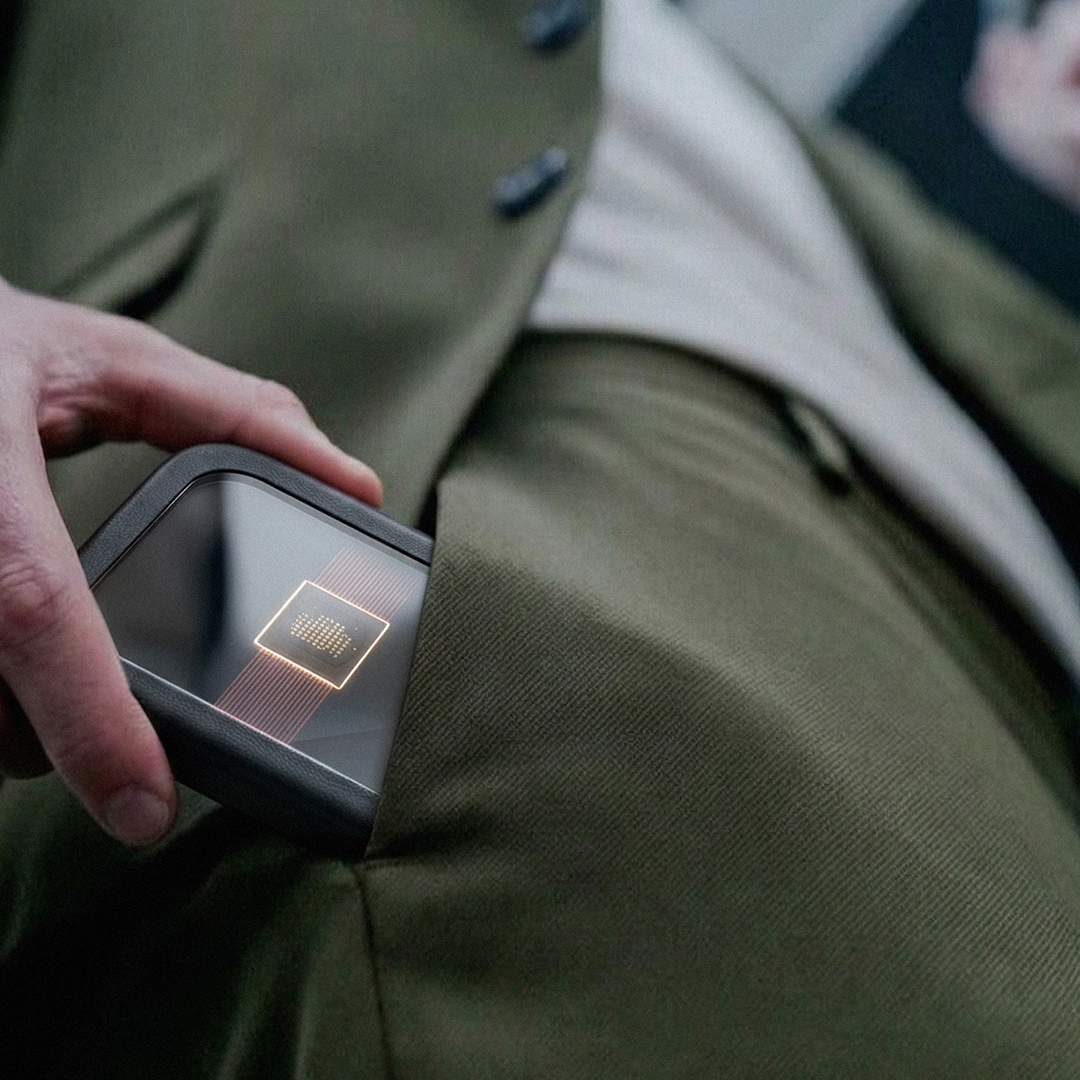
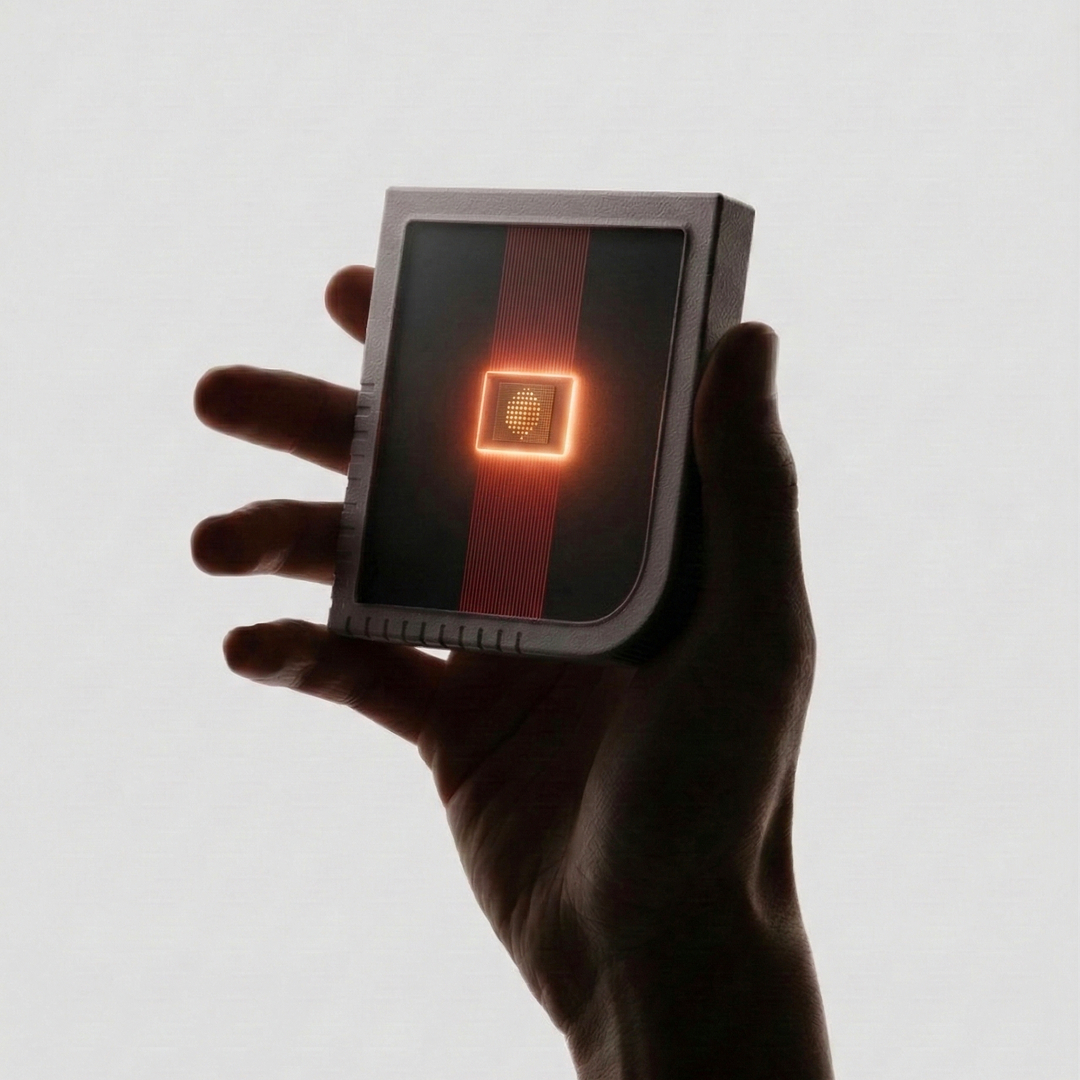
In a world flooded with DIY quantum hardware, building a machine is easy making it think ahead is not. The N-01 is a palm-sized quantum compute node
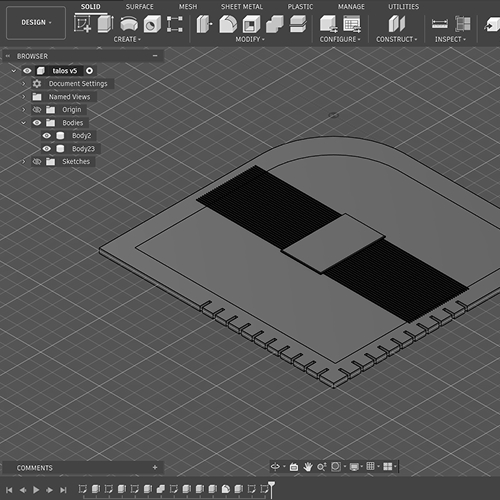
The N-01 began as a precision model in Fusion 360, where every component was engineered for accuracy
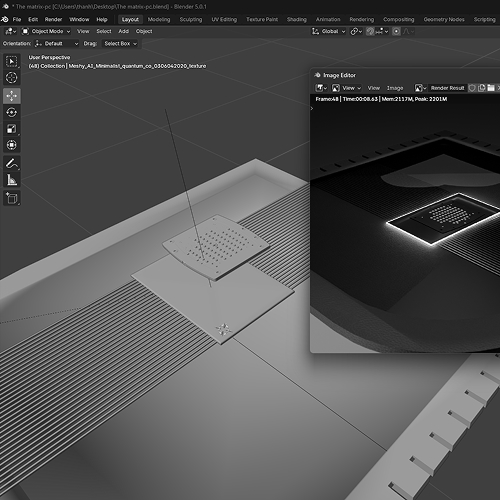
Once the structure was perfected, it moved into Blender, where the design was brought to life through high-detail rendering.
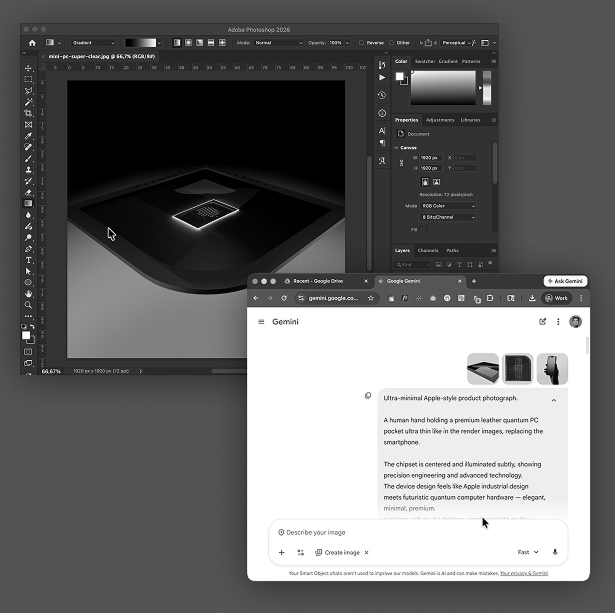
Then final production move to Photoshop and Google Gemini for the final polishing
Who might use it
For now only the engineer uses it. That is intentional. In a world flooded with DIY quantum hardware, anyone can assemble the box but almost no one knows how to make it communicate with the TALOS Project at this resolution. Eventually governments will want access to it. The tension between keeping the tool personal and scaling it outward sits quietly beneath the story.
Where it exists
The N-01 lives in the engineer’s personal lab, a cluttered, self funded workspace tucked inside a repurposed server building on the edge of a mid tier city. It is not housed in a government facility or a corporate research tower. It sits on a worn workbench surrounded by failed prototypes, cooling rigs, and handwritten probability notes. When the engineer goes into the field, it slips into a coat pocket.
How it is used
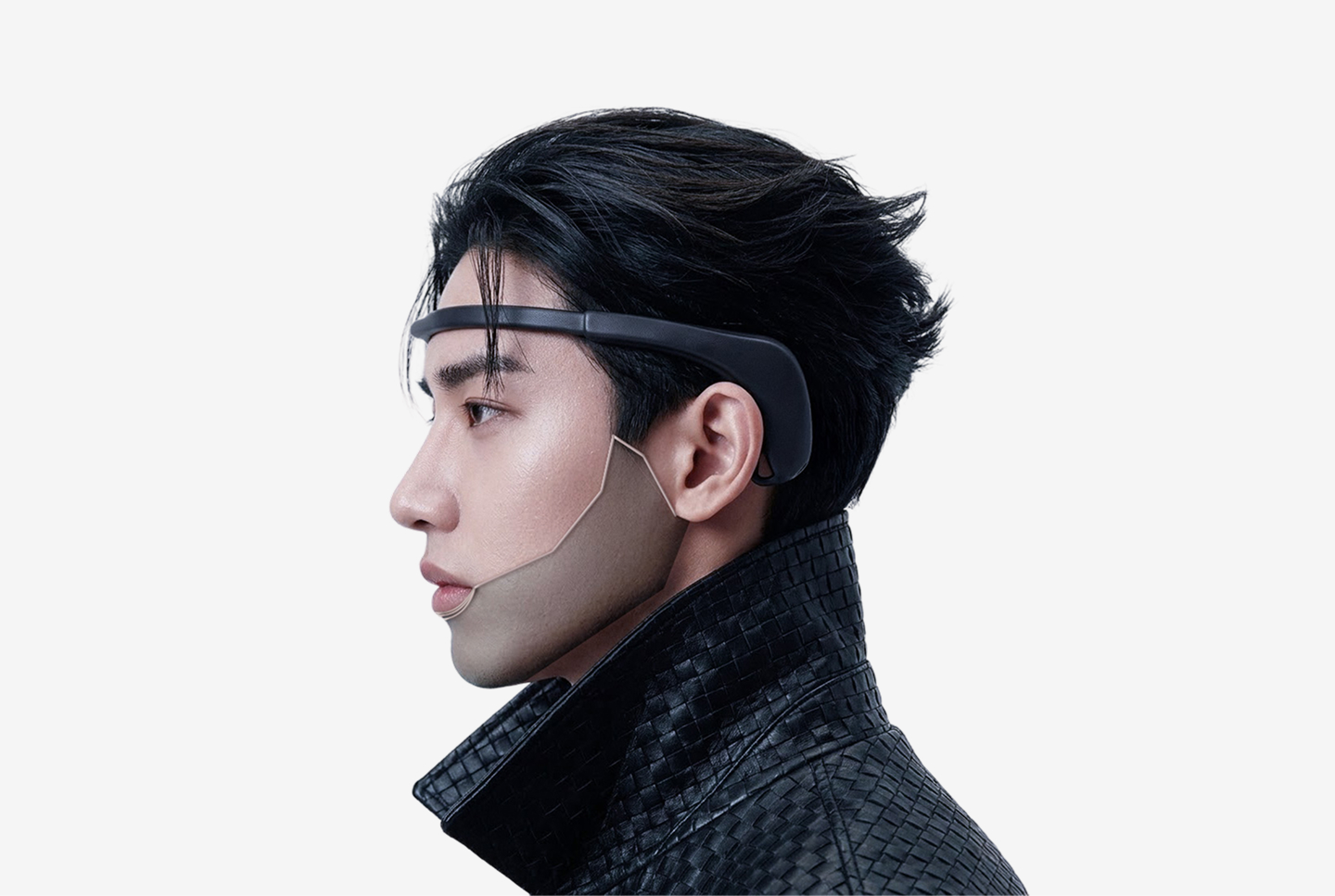
The ECHO reads the engineer’s biosignals such as heart rate variability, micro muscle tension, and cortisol spikes. It cross references them against the active timeline cone running through the TALOS Project. When a probability threshold approaches it sends a subtle haptic pulse to the temples. It is not an alarm. It is a nudge. The sensation feels like the body sensing danger before the mind understands it. Learning to trust it becomes a skill of its own.
Where it exists
The ECHO exists at the boundary between the engineer’s body and the TALOS Project probability stream. Physically it is worn in the field in crowds, disaster zones, and policy rooms, anywhere the engineer needs to feel a probability shift before it becomes visible. When not in use it rests on a charging cradle beside the desk, quietly syncing with the N-01 overnight.
Environment
The device rests against the skin and stays slightly warm from constant processing. Small indentations form where the temple contacts sit. A faint vibration becomes so familiar that users begin to notice its absence more than its presence. It belongs anywhere the future moves faster than a screen can update.
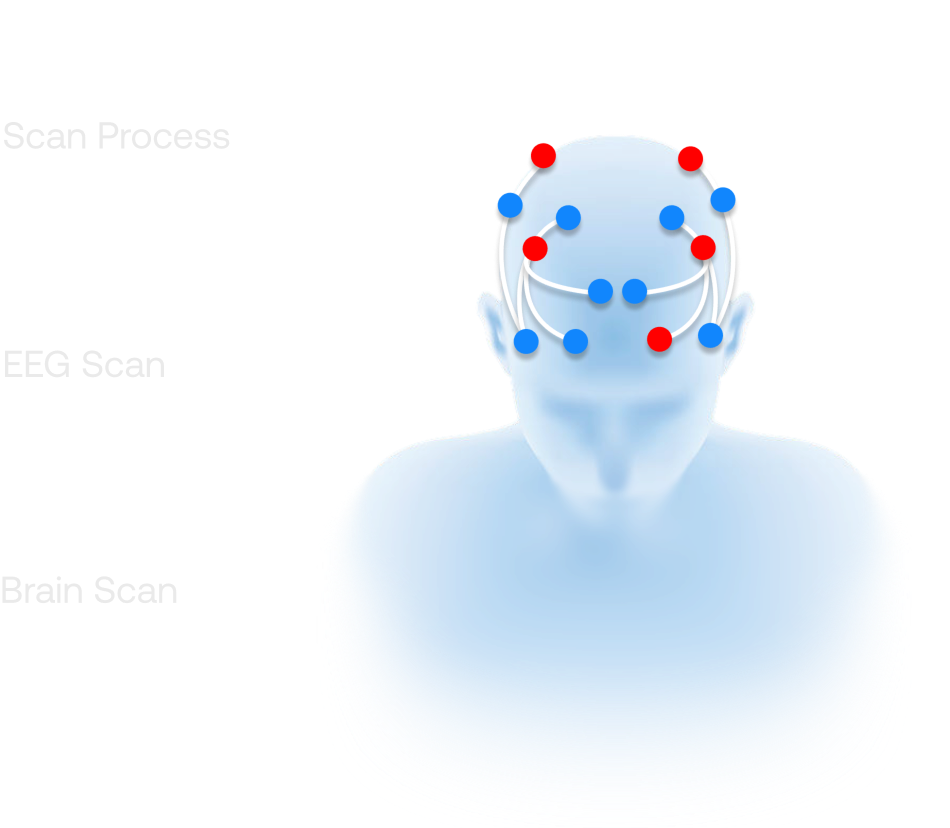
Electrode Map
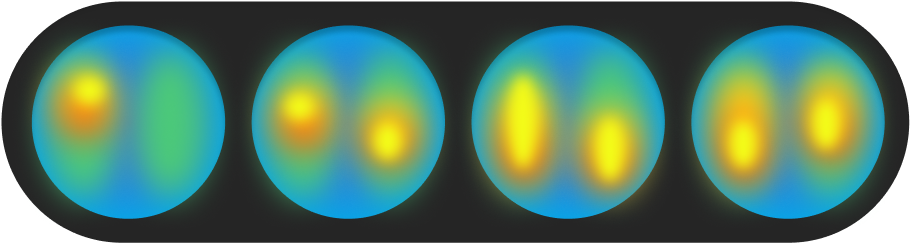
The head visualization shows where the device makes contact with the body. The red and blue nodes suggest active sensing points distributed across the scalp, emphasizing that the system relies on multiple channels of brain activity rather than a single input source.
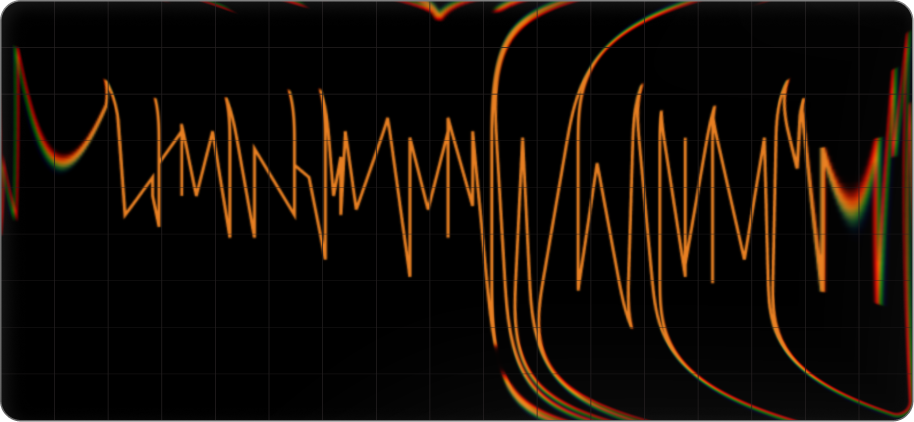
EEG waveform
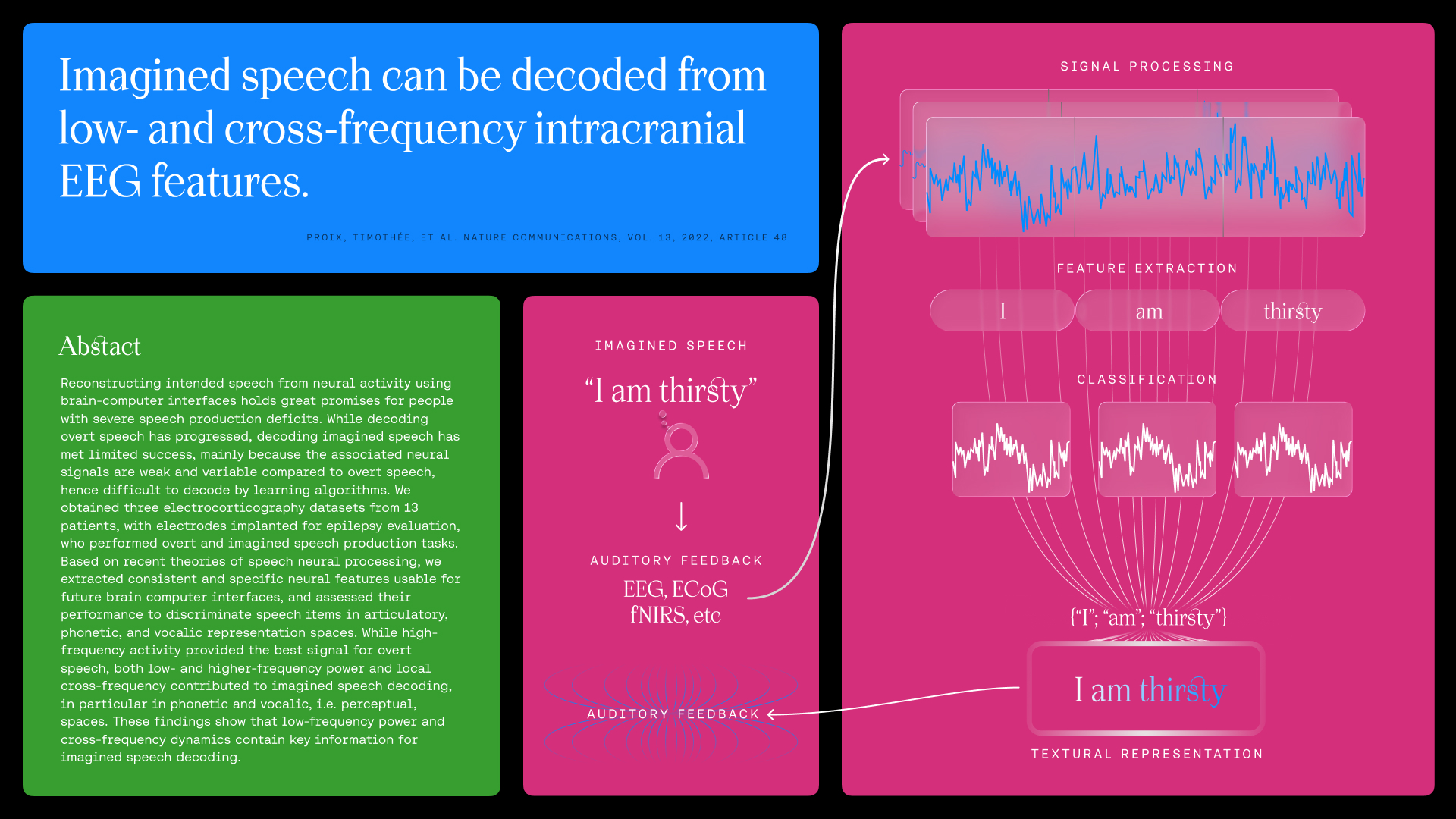
This panel visualizes the raw brainwave data captured by Talos through its EEG sensors. The shifting waveform reflects the system’s continuous reading of neural activity, turning invisible cognitive signals into visible interface information. It communicates how the device listens to the body in real time, making brain activity part of the interaction itself.
Scan Metrics
The scan percentages represent the device’s layered interpretation process. “Scan Process” reflects the system’s awareness of surrounding conditions, “EEG Scan” shows the capture of live neural data, and “Brain Scan” suggests a deeper stage where those signals are modeled into probability-based outputs.
Location Pin
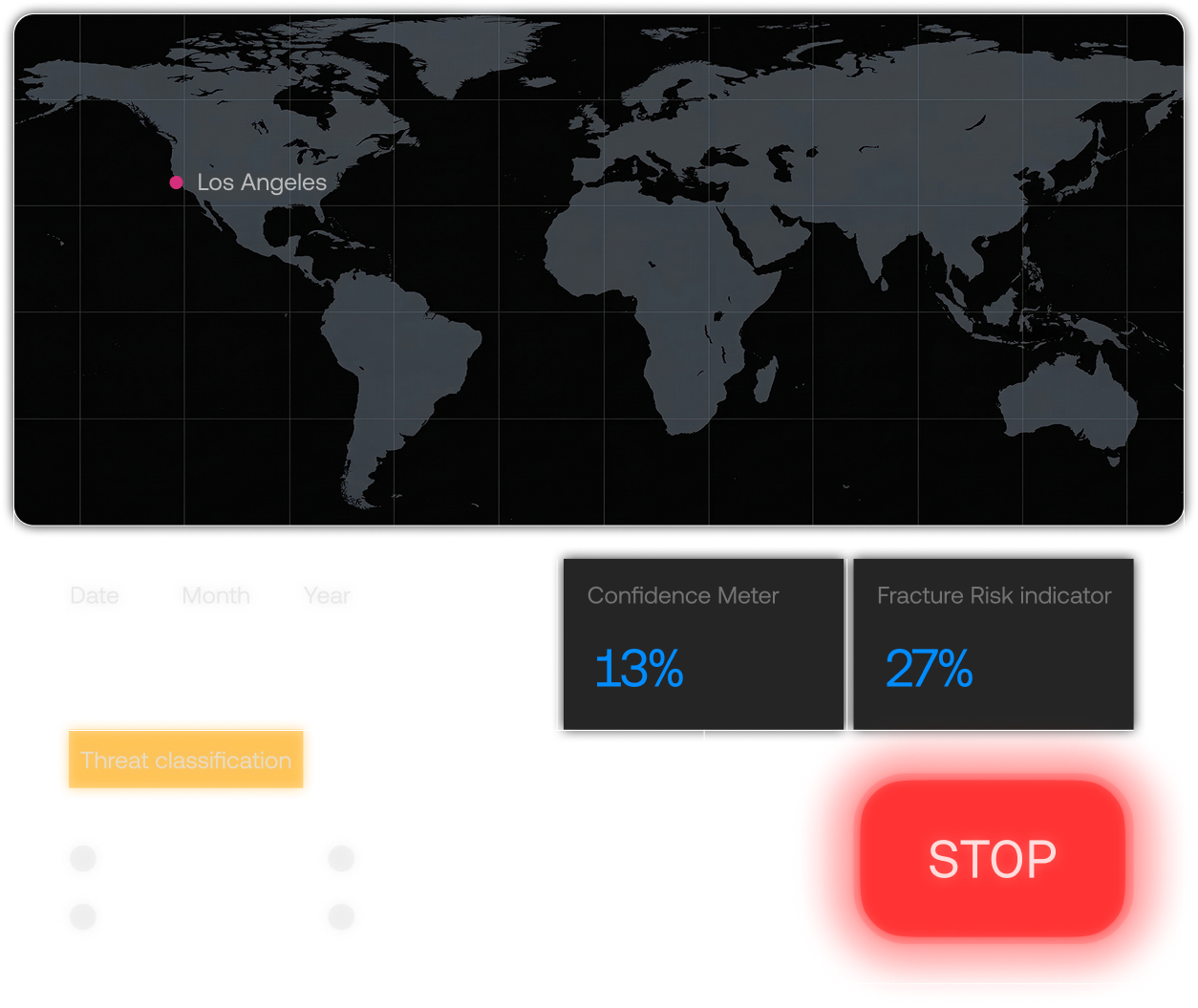
When the brainwave finished scan, the predicted location resolves from unknown to a specific coordinate. The pin appears and the city name surfaces once confidence is high enough
D/m/y
The time delta locks in the same way — counting down from a rough estimate to a precise date as the reading stabilises.
Confidence Meter
At 13%, the prediction is still forming. A fully locked scan would read closer to 80–90%. The low confidence here signals the scan is early-stage, or the signal is being corrupted.
FRI
This is the Observer Fracture made visible. The higher this number climbs, the more the act of reading this future is beginning to change it. At 27% it is manageable — but the engineer knows that publishing this prediction to the public will push it higher.
Threat Classification
The four categories — climate, social, pandemic, unknown — are the only classifications the system recognises. The unknown category is the most unsettling: it means ORACLE has detected a high-probability event it cannot yet categorise. In this scan, all four are inactive — the classification is still resolving.
Topological qubits
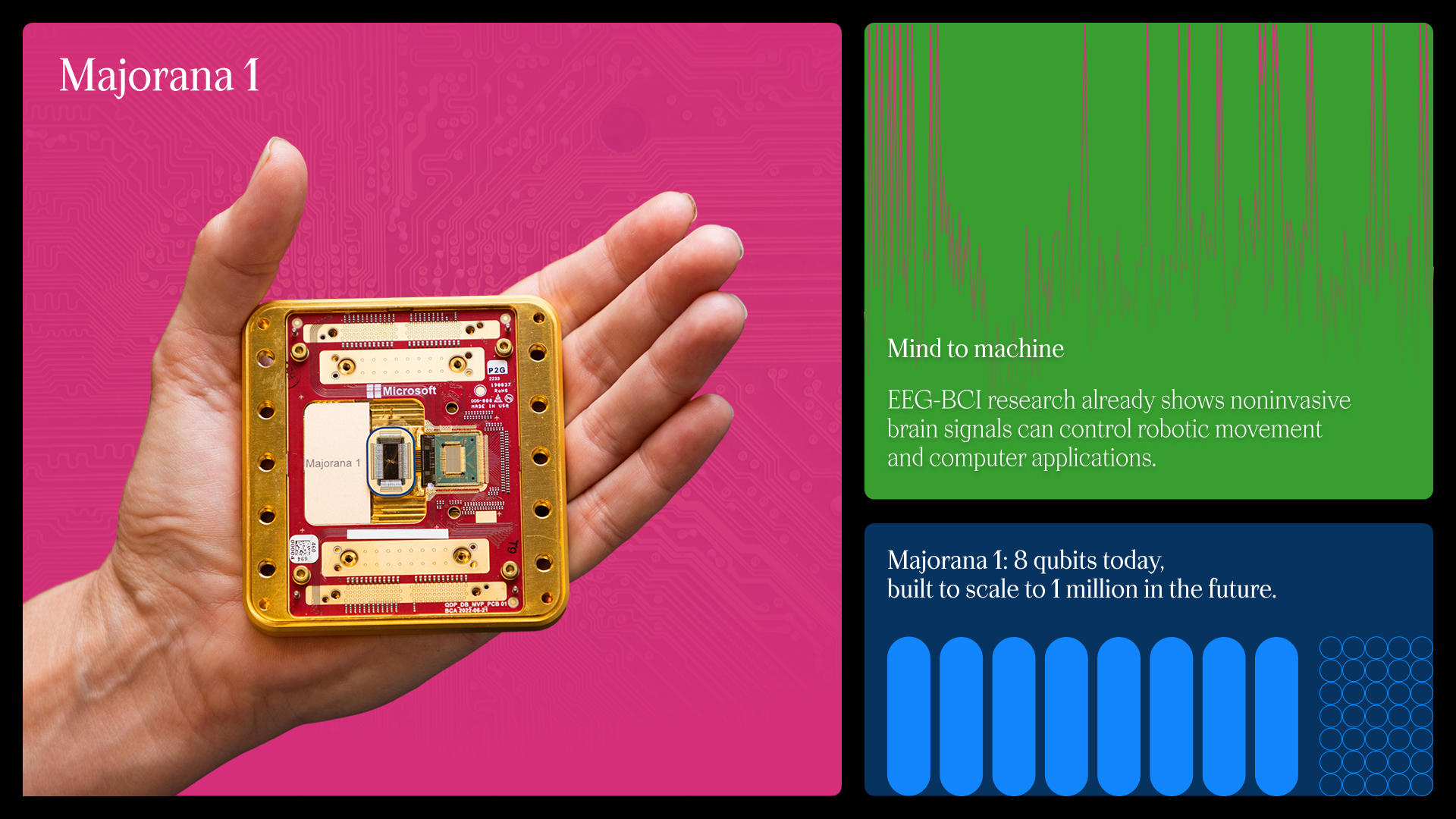
Majorana 1 is based on a topological approach that Microsoft says is small, fast, and digitally controlled.For Talos, this supports the idea of a stable quantum processor for everyday use
Mind to machine
EEG-BCI research already shows noninvasive brain signals can control robotic movement and computer applications.
Threat Classification
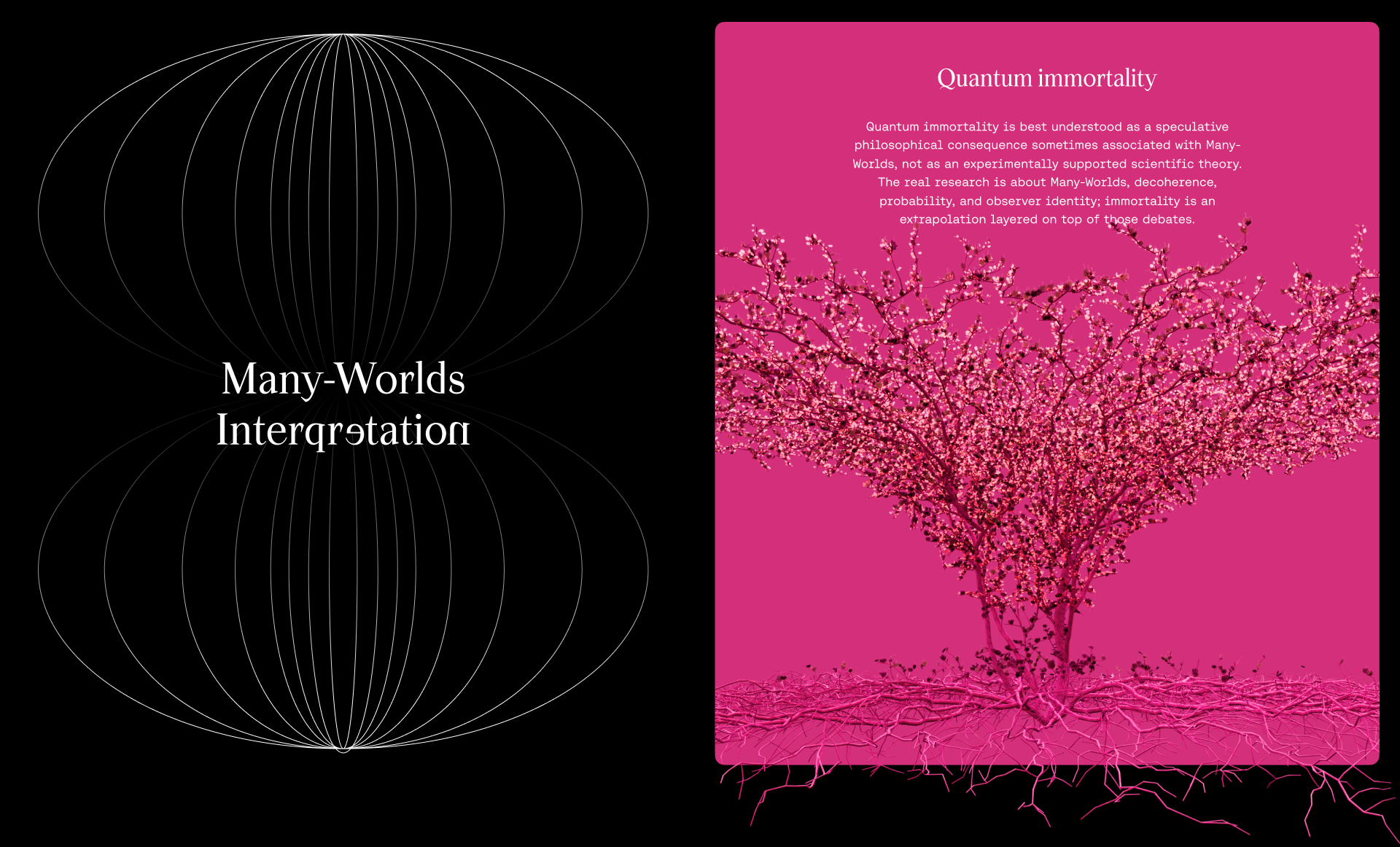
The idea of quantum immortality, not as proven science, but as a speculative concept that shaped the project’s narrative about probability, survival, and alternate outcomes.